

Are we demanding too much from the digital tools meant to simplify our family lives?
In my consulting work researching digital wellness and screen time management, I constantly speak with parents who feel overwhelmed by their technology. Instead of acting as a support system, devices often become another source of daily friction. A 2026 parenting trends report published by The Bump perfectly captured this reality, noting that "many young mamas are trying to recreate some kind of stability and security for their kids in these quite messy and difficult times, but struggling because of the massive load of work, taking care of the home and the kids."
Digital wellness is not the elimination of screens, but the intentional alignment of technology with family needs. Millennial and Gen-X parents, in particular, are actively seeking practical solutions. A recent comprehensive research effort by ZERO TO THREE, supported by the Bezos Family Foundation, highlighted that these demographics are actively searching for tools that actually alleviate their daily burdens rather than adding to their mental load.
As a company building mobile apps at ParentalPro Apps, we focus heavily on this intersection of utility and family well-being. However, the market is flooded with misconceptions about what actually works. Below, I break down four pervasive myths about family technology and look at what the latest data tells us about building healthier digital habits.
Volume tracking does not equal actual family awareness
The most common misconception I encounter is the belief that simply counting hours spent on a device equates to understanding a child's digital life. Parents often download generic monitoring apps expecting clarity, only to receive a daunting pie chart of screen time that provides zero context.
According to 2026 data from market researchers, the parental control software market is projected to reach $1.7 billion this year, expanding at a compound annual growth rate (CAGR) of 9.8% through 2036. Notably, 64% of this industry relies on smartphones as the primary device. Yet, the report highlights a crucial behavioral shift: apps that send contextual, weekly activity reports see a 25% increase in daily active users. This proves that parents do not want more raw data; they want actionable insights.
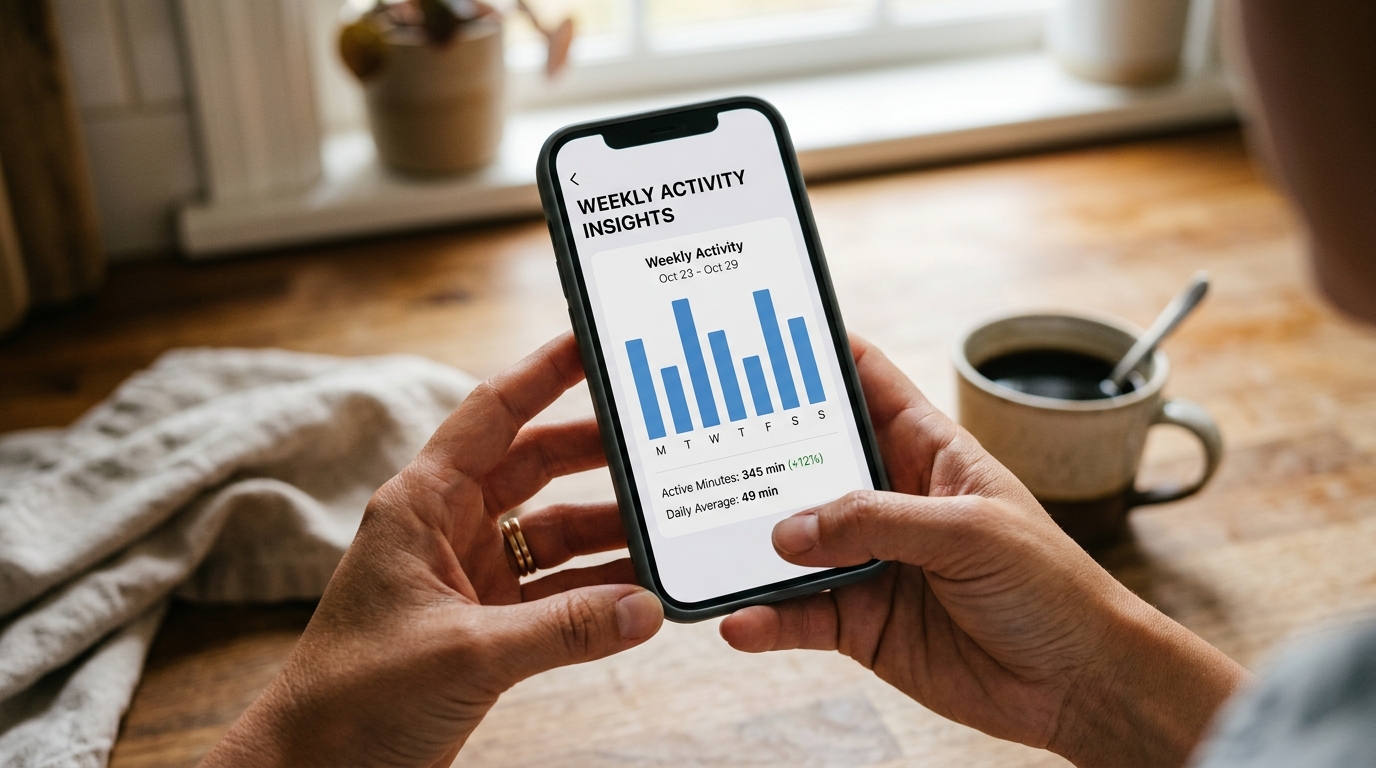
Rather than obsessing over minute-by-minute tracking, an effective approach centers on specific awareness. For instance, knowing when a family member is actively online during crucial hours can be more beneficial than tracking total device usage. Tools designed for targeted visibility, such as Seen: WA Family Online Tracker, provide immediate status awareness without relying on invasive full-device surveillance. It allows parents to ensure their teenagers are safe and communicative without hovering over their every digital move. My colleague Mert Karaca has often discussed this philosophy, noting that our portfolio focuses on targeted mobile solutions designed to reduce daily friction rather than generic tracking.
Digital assistants are practical household tools, not just corporate novelty
When most people hear the word "chatbot" or "AI assistant," they immediately picture corporate professionals drafting emails or developers writing code. The reality is that the modern family is a complex logistical operation, and intelligent assistants are increasingly becoming household staples.
Consider the data from the independent researchers's 2026 Parent Survey, a nationally representative study of 5,000 parents. A major focus of their research is understanding the severe disconnect between available child care and parents' actual working hours, alongside the financial strain where the cost of bills outstrips earnings. Parents are exhausted. By the time evening arrives, making decisions about dinner or managing tomorrow's schedule feels impossible.
This is precisely where specialized mobile tools become invaluable. Instead of defaulting to an expensive food delivery order because meal planning failed, parents can utilize configured digital assistants to instantly generate recipes based on the exact ingredients left in their fridge. Applications like Kai AI - Chatbot & Assistant include specific, pre-configured expert personas—such as a chef or a fitness coach. By delegating low-level decision-making to a reliable assistant, parents reclaim precious mental bandwidth for their families.

Hardware upgrades rarely resolve software fatigue
Another prevalent myth is that slow performance or poor digital habits can be fixed by throwing money at new devices. I frequently speak with parents who assume that upgrading a teenager from an aging handset to the latest flagship models will somehow yield a safer, cleaner digital experience. Others think moving to a larger screen format will make educational apps easier to use.
Similarly, switching cellular carriers—whether moving from a localized provider to T-Mobile or testing out Xfinity Mobile for better bundle pricing—might improve connectivity, but it does absolutely nothing to change the fundamental way your family interacts with software.
Hardware provides the canvas, but software dictates the habit. If a child's device is cluttered with hyper-stimulating content, a faster processor only serves that content faster. Building a healthy digital environment requires intentional app curation. You must include applications that serve distinct, positive purposes. At ParentalPro Apps, our approach is to build software that answers specific needs rather than monopolizing user attention.
Control software is shifting toward privacy and habit-building
Historically, parental control was synonymous with restriction: blocking websites, locking down app stores, and freezing screens at bedtime. While foundational safety features remain necessary, the market and regulatory environment have matured significantly.
Archive Market Research's 2026-2033 trend report on the Parental Control and Monitoring App sector—which also projects the market hitting $1.7 billion this year—points out that the space is becoming highly concentrated, with top players commanding over 50% of the market. More importantly, the report emphasizes that global regulations now strictly require these companies to comply with stringent privacy laws and obtain explicit parental consent before collecting children's data.

The modern goal is not authoritarian control, but guided independence. The software must teach the child how to self-regulate. When selecting tools for your family, consider these practical criteria:
- Data Minimization: Does the app collect only what is strictly necessary to function?
- Context over Quantity: Does it provide context (e.g., "Your child was active late at night") rather than just a total hour count?
- Transparency: Is the child aware the tool is running, fostering honest conversations about screen time?
Digital parenting is difficult, but it becomes manageable when we discard the myths that complicate it. You do not need absolute surveillance, and a new phone will not solve an old habit. By choosing highly targeted mobile apps that respect privacy and solve actual logistical problems—whether through a specialized family tracker or a capable household chatbot—you can create a digital environment that genuinely supports your family's daily life.