
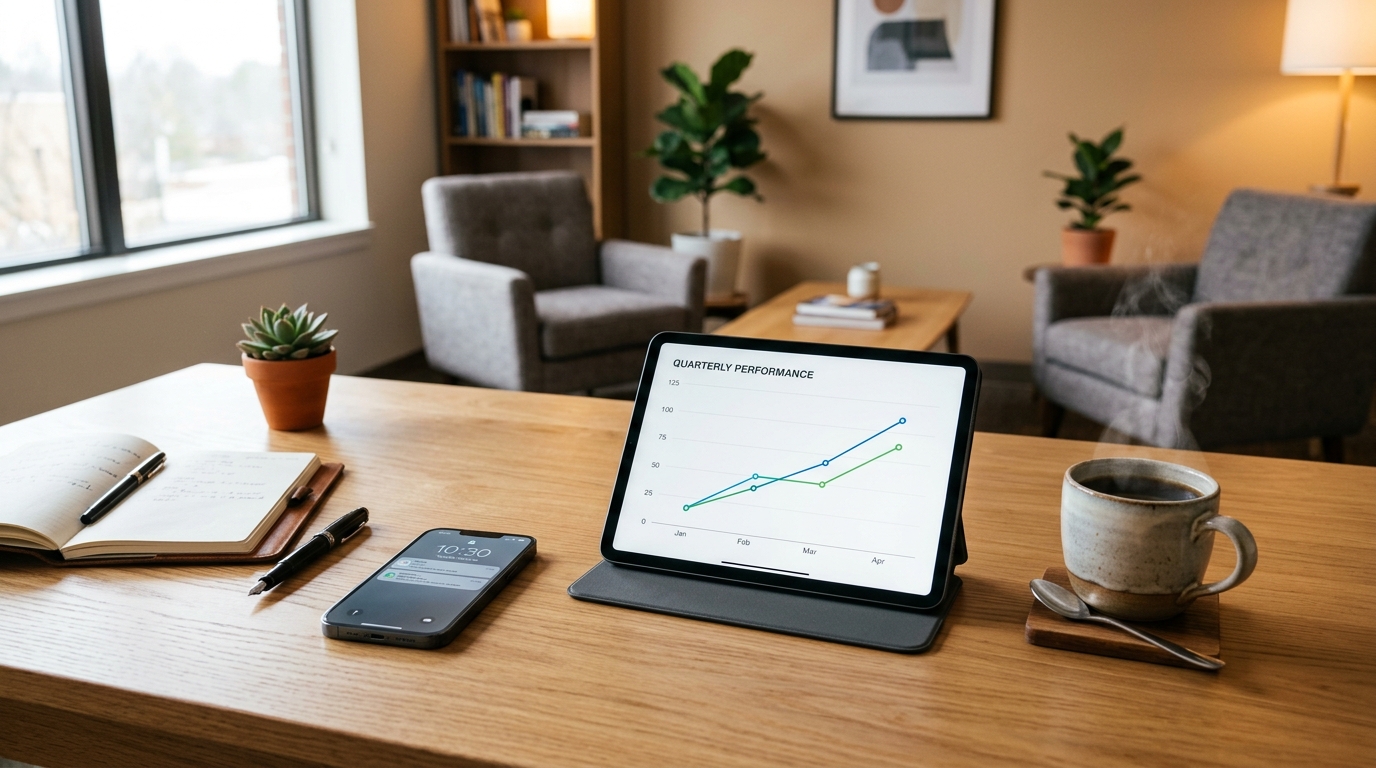
Last month, a mother of three sat across from me, sliding her nearly new iPhone 14 Pro across my desk. "I have six different monitoring tools installed," she told me, visibly exhausted. "I spend more time reviewing dashboard alerts and raw data logs than actually talking to my kids." From a product-strategy perspective researching digital wellness, I encounter this specific type of fatigue daily. Caregivers are drowning in data, yet they feel completely unsupported. The problem isn't the families; it is the fundamental approach of the mobile app industry itself.
At ParentalPro Apps, our core product philosophy is built on a simple premise: mobile technology should reduce household friction, not manufacture new anxieties. We are a company dedicated to building specialized utility tools that prioritize awareness and assistance over restrictive control. Unfortunately, the family tech market is currently dominated by outdated assumptions about what users actually need. Let's debunk the most pervasive myths driving digital parenting today, and examine how our development approach offers a practical alternative.
Stop Believing "Helicopter Parenting" is the Technological Standard
The Myth: Good digital parenting requires total device lockdown, invasive message interception, and constant geographical surveillance.
The Reality: The era of extreme digital restriction is ending. According to the 2026 parenting-trends report from industry researchers, families are aggressively shifting away from surveillance toward what the platform identifies as "thoughtful parenting." The data is striking: there has been a 200% year-over-year surge in searches for "screen-free activities," alongside a 95% increase in "digital detox aesthetics." Parents want tools that help them build trust, not digital prisons.
As my colleague Ayşe Çelik discussed in her recent analysis on rethinking the mobile app company for 2026, we cannot treat family members like corporate security threats. This is why our portfolio takes a different route. Instead of stealth monitoring, we build transparent awareness tools. For instance, Seen: WA Family Online Tracker provides visibility into online patterns and last seen statuses on platforms like WhatsApp and Telegram. It allows parents to understand connectivity habits and manage sleep schedules without violating personal message privacy.
Abandon the Idea That Raw Data Equals Better Protection
The Myth: If a company provides a constant, real-time feed of every digital interaction a child makes, the family is safer.
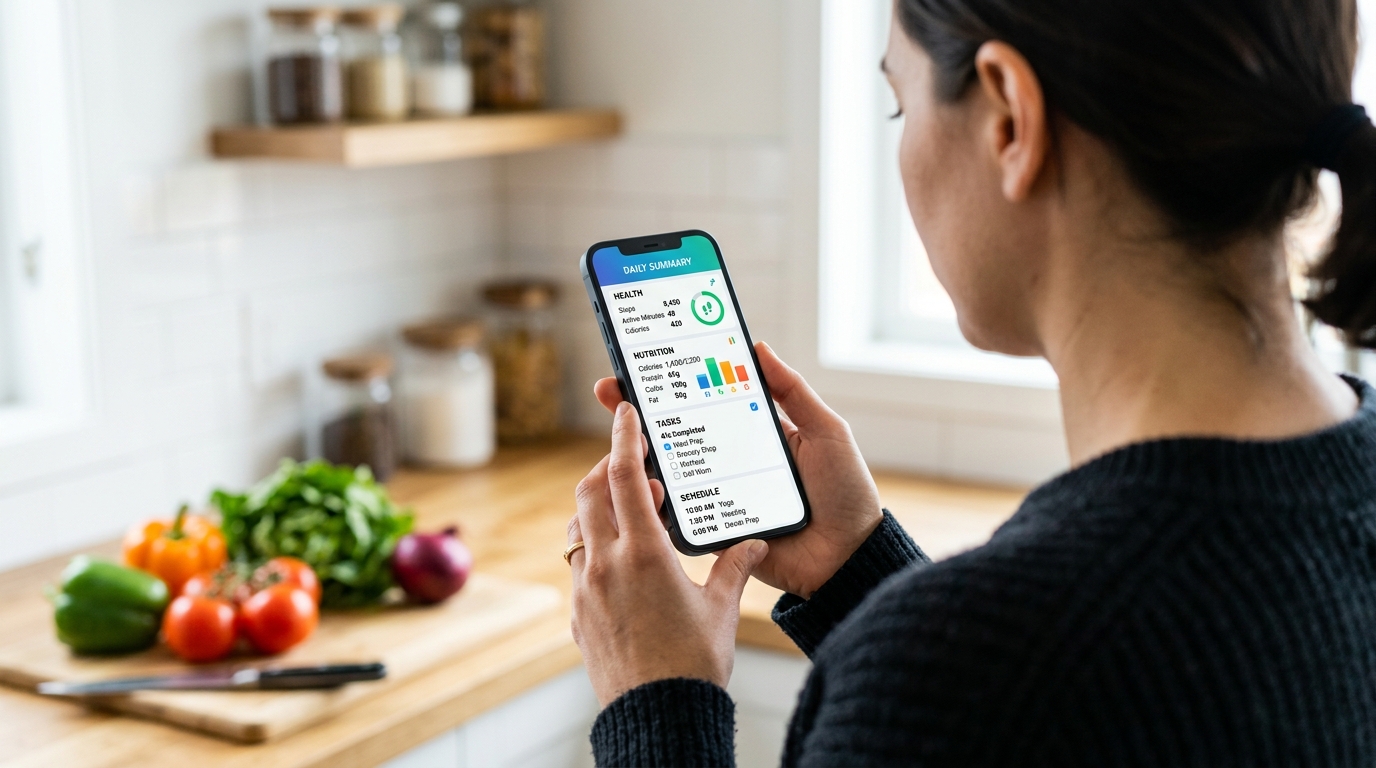
The Reality: Raw data causes caregiver paralysis. A recent report by market researchers notes that while the parental control software market is projected to reach $1.7 billion in 2026 (expanding at a 9.8% CAGR), consumer preferences have drastically shifted. Their data reveals a massive insight: apps that send summarized weekly activity reports saw a 25% increase in daily active users compared to real-time alert systems. Parents want digestible insights, not constant stress.
We designed our applications to provide clear, actionable summaries rather than overwhelming notifications. If your household is connected through a shared data plan—whether that is T-Mobile or Xfinity Mobile—every device is constantly pinging servers. Pushing all that raw activity to a parent's phone achieves nothing. We filter the noise so caregivers can focus on actual behavioral patterns.
Recognize That Artificial Intelligence Isn't Just for Enterprise Tech
The Myth: AI is a complex, corporate technology that has no practical application in managing a standard household.
The Reality: AI is rapidly becoming the ultimate home management utility. industry analysts recently highlighted five new parenting trends for 2026, explicitly naming AI as a primary parenting assistance tool intended to improve daily family life. The friction of modern domestic life requires dynamic support, not static calendars.
Consider the daily mental load: meal planning, homework explanations, and managing schedules. We address this directly with Kai AI - Chatbot & Assistant. This mobile application doesn't just offer a generic text box; it is categorized into predefined expert personas. If you are exhausted and tempted to order UberEats for the third time this week, the AI chef assistant can instantly generate a 15-minute meal plan based on three ingredients you already have in the fridge. The fitness coach persona can adapt a quick living room workout while the baby sleeps. By integrating large language models into a categorized interface, the chatbot becomes an immediately useful assistant rather than a novelty.
Demand Solutions for Caregiver Burnout, Not Just Child Safety
The Myth: The "family tech" category only refers to child-facing software and monitoring tools.
The Reality: Caregivers are individuals experiencing record levels of burnout, and technology must serve their needs directly. The independent researchers's 2026 Parent Survey, which polled 5,000 caregivers, found that families are deeply struggling with basic care coordination and economic pressures. Similarly, The Bump reports that modern parents are abandoning the pressure for "Pinterest perfection" simply to survive the massive load of work and home maintenance.
Market data reflects this broader need for caregiver support. market researchers projects the global parenting apps market will grow from $717.3 million in 2026 to over $1.2 billion by 2033, driven by an 8.0% CAGR. But a healthy household requires healthy, socially fulfilled adults. Our product portfolio acknowledges that caregivers have social lives, dating needs, and community interests independent of their children. This is why our development initiatives include products like Blur: AI Based Social Date App, facilitating smarter, AI-driven social discovery and partner matching. A comprehensive mobile strategy must address the entire adult experience.

Audit Your Hardware and Network Limitations Before Blaming Software
The Myth: Buying the newest smartphone will automatically streamline family communication and reduce digital friction.
The Reality: Hardware is just a vessel; software dictates the experience. As Consultants often tell their clients, if you are running chaotic software, a faster processor just delivers that chaos more quickly.
Many families assume that upgrading a teenager to an iPhone 14, or getting themselves an iPhone 14 Plus, will magically resolve their digital organization problems. In reality, an older device like an iPhone 11 runs targeted utility software perfectly well. The solution lies in auditing your actual digital friction points and deploying specific app categories to solve them. As I detailed in a previous post, what the data actually says about family tech habits points directly to software utility, not silicon speed.
A Decision Framework for Your Household
If you are reevaluating your digital ecosystem, apply this simple criteria before downloading any new service:
- Identify the Friction: Are you struggling with schedule management (needs an assistant), device transparency (needs an awareness tracker), or personal burnout (needs social/leisure apps)?
- Reject Raw Data: Only adopt tools that summarize information. If an app requires you to check it more than once a day, it is adding to your workload.
- Prioritize Privacy: Ensure any family-oriented software respects basic boundaries, tracking habits and connectivity rather than intercepting private communications.
At ParentalPro Apps, we measure our success not by how much time you spend inside our applications, but by how much time our tools give you back in the physical world. The future of household tech isn't about tighter digital leashes—it is about practical, intelligent support.